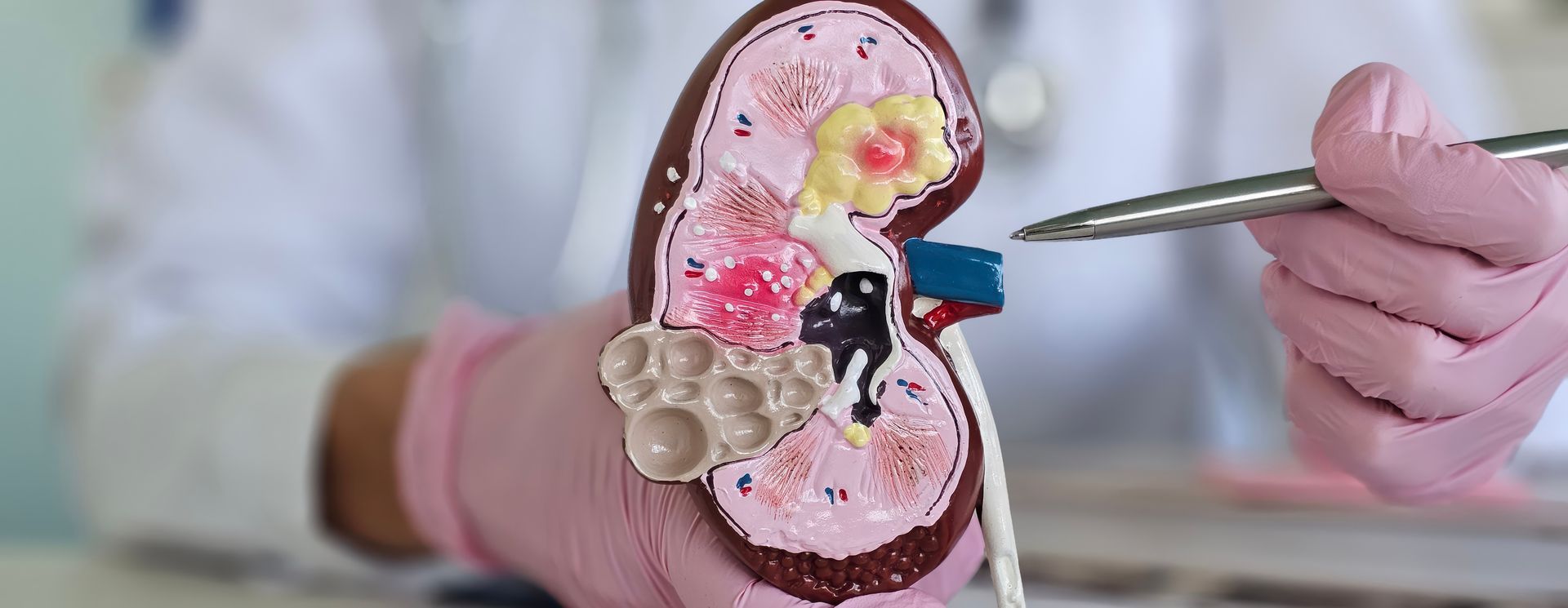
What Happens During Kidney Transplant Surgery
A kidney transplant in Troy, AL, is performed in a hospital by a skilled surgical team. During surgery, the new kidney is usually placed in the lower abdomen. In most cases, the patient’s original kidneys remain unless there is a medical reason to remove them.
The new kidney is connected to
• Blood vessels for circulation
• The bladder for urine flow
The surgery itself may take several hours, and patients are closely monitored the entire time. Understanding this step can ease fear and help families feel more prepared.
Hospital Recovery Right After Surgery
After surgery, patients stay in the hospital for close observation. This early recovery period is critical since doctors need to ensure the new kidney is working properly. Nurses and specialists check vital signs, urine output, and healing progress often.
During this stage, patients may experience:
• Soreness near the incision
• Fatigue as the body heals
• Frequent blood tests
• Adjustments in medications
Kidney doctor treatment in Troy, AL, includes careful follow-up during this hospital phase. The care team also teaches patients about the next steps before going home.
Post-Transplant Medications and Long-Term Care
After leaving the hospital, patients must take daily medications that help prevent rejection. These medicines help the immune system accept the new kidney. Missing doses can put the transplant at risk, so routine is very important.
Post-transplant care includes:
Regular Checkups
Patients have frequent follow-ups, especially in the first months.
Ongoing Lab Monitoring
Blood tests help track kidney function and medication levels.
Healthy Lifestyle Changes
Patients may need diet guidance and infection prevention steps.
A kidney transplant requires long-term attention, but many patients adjust well with the right care plan. Kidney doctor treatment in Troy, AL supports patients through each follow-up stage.
For additional hospital kidney support, check our
hospital kidney services.
Life After a Kidney Transplant
Many patients feel stronger over time after a Kidney Transplant in Troy, AL. Energy levels may improve, and dialysis may no longer be needed. Still, recovery is gradual, and patients must stay committed to their care plan.
Patients should focus on:
• Taking medications exactly as prescribed
• Attending all follow-up visits
• Staying active with safe movement
• Communicating concerns early
The Importance of a Trusted Kidney Care Team
Transplant care involves many stages, from evaluation to lifelong monitoring. Having an experienced kidney specialist helps patients feel supported and informed. Renal Associates of Montgomery PC is operating in the Troy, AL area to help patients understand transplant options and manage kidney disease.
If you have questions about kidney doctor treatment in Troy, AL, speaking with a trusted care team is an important first step.
When to Speak With a Kidney Specialist
If you or a loved one has advanced kidney disease, it may be time to ask about transplant evaluation. Early conversations can help patients understand eligibility, timing, and what steps come next.
Call us at
(334) 288-0814 now to learn more about kidney transplant guidance in Troy, AL, or
send us a message
to get started today.